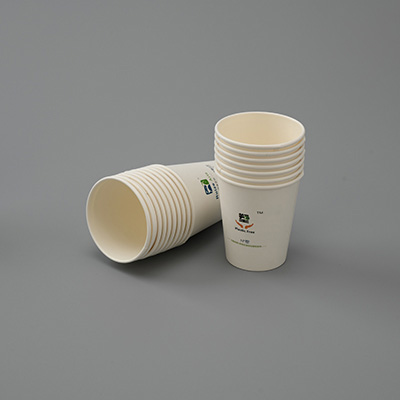
Inorganic mineral coated cup paper represents a revolutionary advancement in sustainable Food Packaging materials, engineered to replace traditional polyethylene (PE)-coated paper cups by leveraging the natural properties of inorganic minerals. Unlike PE coatings—derived from fossil fuels and prone to microplastic leaching, non-recyclability, and environmental persistence—this innovative material integrates a high-performance inorganic mineral layer with base paper, delivering superior functionality, safety, and eco-friendliness. Below is an exhaustive breakdown of its core components, manufacturing processes, performance advantages, safety compliance, application scenarios, and environmental impact.
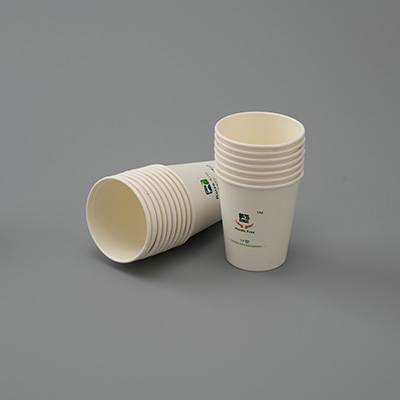
The base material typically uses food-grade kraft paper or bleached sulfate paper, selected for its high tensile strength, stiffness, and pulp purity. These papers are sourced from responsibly managed forests (FSC-certified) or recycled fibers, ensuring the raw material chain aligns with sustainability goals. The base paper’s fiber structure is optimized to bond with the inorganic coating, preventing delamination even under extreme temperature or moisture conditions.
The coating is a homogeneous mixture of natural inorganic minerals, binders, and functional additives, with no toxic chemicals, plasticizers, or volatile organic compounds (VOCs). Common core minerals include:
Modified Silicate Minerals: Such as bentonite, kaolin, or talc, processed to form ultra-fine particles (50–200 nm) that create a dense, impermeable barrier. These minerals are abundant in nature, non-toxic, and biodegradable.
Silica/Glass Powder: Amorphous silica or modified silicate glass powder, which fills micro-gaps between paper fibers, enhancing water/oil resistance and surface smoothness.
Natural Binders: Derived from plant starches, cellulose derivatives, or alginates, these binders ensure strong adhesion between the mineral coating and base paper without compromising recyclability.
Functional Additives: Small amounts of food-grade defoamers, leveling agents, or anti-scratch modifiers, which improve coating uniformity and durability without introducing harmful substances.
The manufacturing process combines precision coating technology with strict quality control to ensure consistency:
Pulp Preparation: The base paper is produced via standard papermaking processes, with fiber beating degree and moisture content adjusted to optimize coating adhesion.
Coating Formulation: Inorganic minerals are ground into ultra-fine particles, mixed with binders and additives, and dispersed into a stable aqueous slurry (solid content: 30–50%).
Coating Application: Using methods like curtain coating, blade coating, or roll coating, the slurry is uniformly applied to one or both sides of the base paper (coating weight: 8–15 g/m² per side).
Drying & Curing: The coated paper is dried at low temperatures (80–120°C) to remove moisture, followed by mild curing to enhance the mineral layer’s density and scratch resistance. No high-temperature melting or chemical cross-linking is required, reducing energy consumption.
Water & Oil Resistance: The dense inorganic mineral layer forms a continuous "shield" that blocks the penetration of water, oil, grease, and acidic/alkaline liquids. Unlike PE-coated paper, which may degrade or leak at high temperatures, this material maintains integrity when holding hot beverages (up to 100°C) or icy drinks (-70°C), preventing cup softening, leakage, or flavor transfer.
Gas Barrier: The mineral coating also reduces oxygen and moisture permeability, extending the shelf life of packaged foods (e.g., fried snacks, pastries) by preventing oxidation and moisture absorption.
Mechanical Strength: The combination of the rigid mineral layer and strong base paper enhances the cup’s compressive resistance, drop resistance, and scratch resistance. It can withstand stacking during storage, transportation, and use without deformation or coating damage.
Heat Stability: Resistant to rapid temperature changes (e.g., from freezer to microwave—note: microwave suitability depends on base paper thickness), it does not shrink, crack, or release harmful substances when exposed to extreme heat or cold.
Printability: The smooth mineral surface accepts food-grade inks (water-based or soy-based) well, enabling high-definition printing of brand logos, patterns, or product information without ink bleeding or fading.
Inorganic mineral coated cup paper meets the strictest global food contact material standards, making it suitable for direct contact with hot/cold foods, beverages, and oily foods:
Chinese Standards: Complies with GB 9685 (food contact materials and additives) and GB 4806 (safety requirements for paper and cardboard products for food contact).
EU Standards: Conforms to Regulation (EC) No. 1935/2004 (general safety of food contact materials) and Regulation (EU) No. 10/2011 (plastic materials and articles intended to come into contact with food—even though it contains no plastic, it meets the migration limits for heavy metals, additives, and non-intentionally added substances (NIAS)).
US Standards: Meets FDA 21 CFR Part 176 (paper and paperboard in contact with food) and FDA 21 CFR Part 177 (polymers—applied to binder components).
German Standards: Complies with BFR Recommendation XV (food contact materials made of paper and cardboard).
Key safety advantages: No microplastic leaching (even after prolonged contact with hot liquids), no bisphenol A (BPA), phthalates, or other endocrine disruptors, and no off-odors or flavors that affect food quality.
Due to its balanced performance of safety, functionality, and sustainability, inorganic mineral coated cup paper is widely used in B2B catering, food packaging, and consumer goods industries:
Hot beverages: Coffee cups, tea cups, hot chocolate cups, and bubble tea cups (supports double-walled or single-walled designs, with or without sleeves).
Cold beverages: Iced coffee cups, smoothie cups, juice cups, and soda cups (resists condensation and leakage).
Specialized beverages: Milkshake cups, alcoholic drink cups, and functional drink cups (acid-resistant, no flavor contamination).
Fast food: Fried chicken boxes, french fry sleeves, hamburger wrappers, and pizza boxes (oil-proof, grease-resistant, and maintains food crispness).
Snacks: Nut packaging, chocolate wrappers, cookie boxes, and popcorn buckets (moisture-proof, oxygen-barrier, and recyclable).
Ready-to-eat meals: Bento boxes, meal prep containers, and soup bowls (heat-resistant, microwave-safe for some variants, and leak-proof).
Disposable tableware: Paper straws, paper bowls, and Food Wrapping Paper (eco-friendly alternative to plastic tableware).
Industrial packaging: Waterproof packaging for electronic components, corrosion-resistant wrapping for metal parts, and moisture-proof packaging for textiles (food-safe grade extends to non-food applications requiring low-toxicity materials).
Inorganic mineral coated cup paper addresses the critical environmental issues of traditional PE-coated paper cups, making it a cornerstone of circular economy initiatives:
Unlike PE-coated paper (which requires complex and costly separation of plastic and paper fibers, leading to low recycling rates), inorganic mineral coated paper can be directly pulped in standard paper recycling processes. The mineral coating disperses into the pulp as non-toxic, inert particles that do not contaminate recycled fiber or affect the quality of recycled paper products (e.g., corrugated cardboard, tissue paper).
High-quality variants can be designed for multiple uses (e.g., reusable coffee cups) with proper cleaning, further reducing waste.
In natural environments (e.g., soil, compost), the base paper biodegrades within 3–6 months, while the inorganic mineral coating breaks down into harmless soil minerals (e.g., silica, clay), which can improve soil structure.
Certified compostable variants meet EN 13432 (EU) and ASTM D6400 (US) standards, decomposing completely in industrial composting facilities within 180 days without leaving toxic residues.
The production process uses natural minerals and renewable binders, reducing reliance on fossil fuels (PE production emits significant greenhouse gases).
Low-temperature drying and curing processes consume 30–40% less energy compared to PE coating production.
Recyclability and biodegradability minimize landfill waste and ocean pollution, addressing the global plastic crisis.
In summary, inorganic mineral coated cup paper is not just a replacement for traditional packaging materials—it is a sustainable, safe, and high-performance solution that addresses the dual challenges of functionality and environmental responsibility. For B2B partners seeking to enhance product quality, comply with regulations, and meet consumer expectations, this material represents a strategic investment in a greener, more responsible future.

is a new material enterprise with innovative coating and coating technology as its core competitiveness, and enjoys a wide reputation in the industry.

Copyright © 2026 Dongguan Ruize Creative Arts New Materials Co., Ltd. All rights reserved.



 English