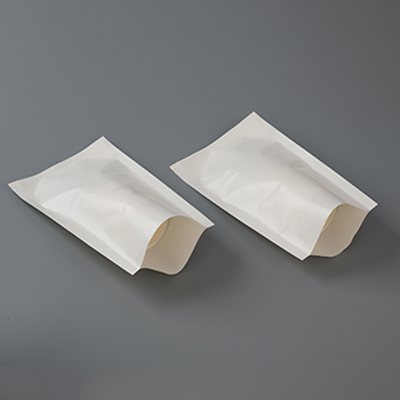
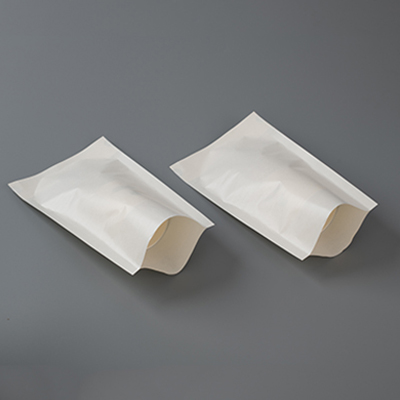
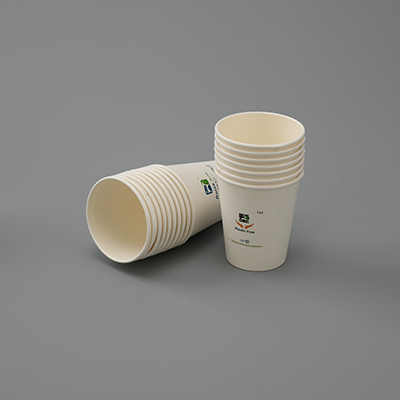
Sealed paper packaging has become one of the most widely discussed solutions in modern packaging,especially as global brands and buyers look for alternatives to plastic-based materials.From food and consumer goods to industrial and e-commerce applications,the materials used in sealed paper packaging play a critical role in performance,sustainability,and cost efficiency.Understanding these materials helps buyers choose the right sealed paper package for their products and supply chains.
At its core,sealed paper packaging is built on paper-based substrates designed to be sealed through heat,pressure,or adhesive methods.The most commonly used base material is kraft paper.Kraft paper is valued for its strength,durability,and natural appearance,making it a popular option for both retail and shipping-oriented paper sealed packaging.Depending on the application,kraft paper can range from lightweight grades for inner packaging to heavy-duty grades used in multi-layer sealed paper packages.
Another widely used material in paper seal packaging is white paper or bleached paperboard.This type of paper offers a smoother surface and better printability,making it ideal for branded packaging.For companies that prioritize visual presentation,white paper-based sealed paper packaging allows for high-quality printing while maintaining a paper-forward,eco-conscious image.Although it is slightly less tear-resistant than kraft paper,its aesthetic advantages make it a preferred choice for premium products.
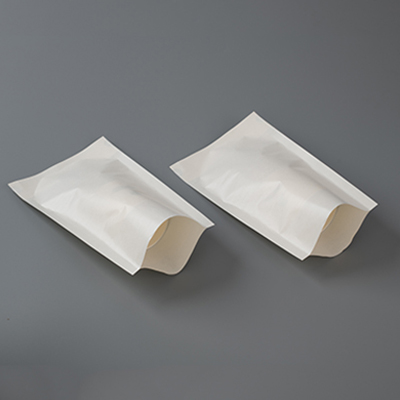
To enhance functionality,many sealed paper packaging solutions incorporate coated or treated paper.Water-based coatings,such as dispersion coatings,are commonly applied to improve moisture resistance without compromising recyclability.These coatings allow a sealed paper package to protect products from humidity,light splashes,or grease,which is especially important in food and dry goods packaging.Compared to plastic laminations,coated paper seal packaging can often be recycled within standard paper recycling streams,depending on local regulations.
In some applications,sealed paper packaging includes a thin layer of bio-based or compostable materials.These layers are designed to support sealing performance while keeping the overall structure paper-dominant.For example,plant-based sealable layers can be added to paper sealed packaging to enable heat sealing,ensuring airtight closure without relying on conventional plastic films.This approach is increasingly popular among brands aiming to balance performance with sustainability.
Adhesive systems are another essential material component in sealed paper packaging.Depending on the sealing method,manufacturers may use hot-melt adhesives,water-based adhesives,or pressure-sensitive adhesives.These materials ensure that the sealed paper package remains securely closed during transportation and storage.The choice of adhesive directly affects the strength,resealability,and environmental profile of the paper seal packaging.
In food-grade sealed paper packaging,materials must meet strict safety standards.Papers used for food contact are typically produced from virgin fibers and treated to prevent contamination.In these cases,the sealing layers and coatings are carefully selected to avoid harmful substances while maintaining barrier properties.This makes sealed paper packaging suitable for items such as baked goods,snacks,coffee,and dry food products.
Ultimately,the materials used in sealed paper packaging are selected based on a combination of performance requirements,sustainability goals,and branding needs.By choosing the right paper type,coatings,and sealing materials,manufacturers can create a sealed paper package that meets both functional and environmental expectations.As demand for eco-friendly packaging continues to grow,innovation in paper seal packaging materials will remain a key driver of industry development.

is a new material enterprise with innovative coating and coating technology as its core competitiveness, and enjoys a wide reputation in the industry.

Copyright © 2026 Dongguan Ruize Creative Arts New Materials Co., Ltd. All rights reserved.



 English