When buyers consider sealed paper packaging for shipping and storage,strength and reliability are often the first concerns.While paper is sometimes perceived as fragile,modern paper sealed packaging is engineered to withstand the demands of logistics,warehousing,and long-distance transportation.The actual strength of a sealed paper package depends on material selection,structural design,and sealing method.
One of the main factors influencing the strength of sealed paper packaging is paper weight and fiber composition.High-quality kraft paper,commonly used in paper seal packaging,is made from long wood fibers that provide excellent tear resistance and tensile strength.This allows sealed paper packaging to perform well under stacking pressure and handling stress,making it suitable for shipping a wide range of products.
Structural design also plays a critical role in how strong a sealed paper package can be.Multi-layer constructions are frequently used to improve durability.For example,combining multiple layers of kraft paper or reinforced paperboard increases resistance to punctures and compression.In shipping applications,this layered approach allows sealed paper packaging to protect contents from external impact while maintaining a relatively lightweight structure.
The sealing method itself significantly affects strength.Heat-sealed paper sealed packaging creates a continuous,uniform seal that enhances load stability and prevents accidental opening during transit.Adhesive-sealed paper seal packaging,when properly applied,can also provide strong bonding capable of handling vibration and movement in shipping environments.In both cases,the seal integrity ensures that the sealed paper package remains intact from warehouse to final delivery.
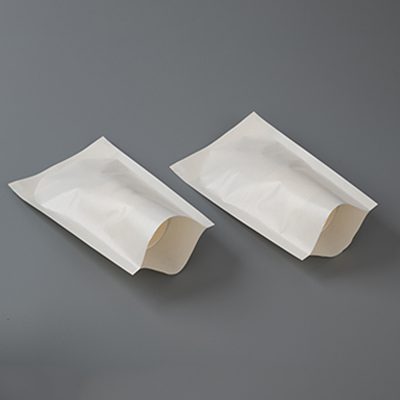
Moisture resistance is another important consideration for storage and shipping strength.Although paper is naturally sensitive to water,modern sealed paper packaging often includes moisture-resistant coatings or treatments.These enhancements allow paper sealed packaging to maintain structural integrity even in humid storage conditions or during short-term exposure to moisture.As a result,sealed paper packages can be stored in standard warehouses without special environmental controls.
For palletized shipping,sealed paper packaging performs well when combined with proper stacking and load distribution.Its rigidity allows for efficient stacking,while the sealed structure helps prevent dust,debris,and contaminants from entering the package.Many logistics providers now recognize that paper seal packaging can meet performance requirements traditionally associated with plastic-based packaging,especially for dry and semi-dry goods.
In long-term storage scenarios,sealed paper packaging offers additional advantages.Breathability,when designed into the structure,helps reduce condensation buildup,which can be beneficial for certain products.At the same time,the sealed edges ensure that the package remains closed and protected.This balance between protection and airflow makes sealed paper packaging suitable for extended storage periods.
Overall,sealed paper packaging is far stronger than commonly assumed.With the right materials and engineering,paper sealed packaging can handle the physical demands of shipping and storage while supporting sustainability goals.For businesses seeking reliable,eco-friendly alternatives,a well-designed sealed paper package provides both strength and confidence throughout the supply chain.

is a new material enterprise with innovative coating and coating technology as its core competitiveness, and enjoys a wide reputation in the industry.

Copyright © 2026 Dongguan Ruize Creative Arts New Materials Co., Ltd. All rights reserved.



 English