In the food packaging industry, Greaseproof Paper packaging plays a critical role in maintaining product quality, hygiene, and shelf life. As consumer awareness of food safety continues to increase, manufacturers and suppliers are placing greater emphasis on material compliance, production standards, and functional performance. Understanding the safety standards and material composition behind food grade Greaseproof Paper packaging is essential for both businesses and end users.
Food grade greaseproof paper packaging is specifically engineered to resist oil and moisture penetration without the need for additional coatings that may compromise food safety. This type of paper is typically produced through a refining process that enhances fiber density, creating a barrier against grease while maintaining breathability. The absence of harmful chemicals such as fluorescent agents or excessive bleaching residues is a key requirement under international food safety regulations.
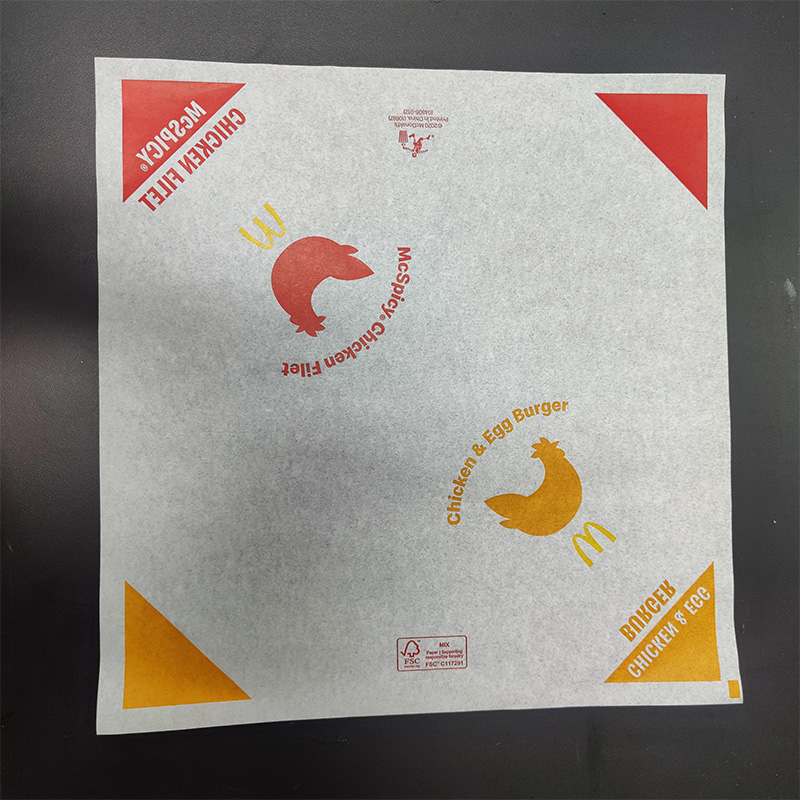
Compliance with standards such as FDA (U.S. Food and Drug Administration) and EU food contact regulations ensures that greaseproof paper packaging can safely come into direct contact with food. These regulations govern factors including migration limits, material purity, and manufacturing processes. Suppliers offering custom greaseproof paper packaging must also ensure that inks, dyes, and adhesives used in printing and converting processes meet food-grade requirements, especially for applications involving direct food wrapping.
Material selection is another crucial aspect. High-quality wood pulp is commonly used as the base material, providing both strength and flexibility. In Custom Greaseproof Paper packaging, additional considerations such as thickness, surface smoothness, and grease resistance levels are tailored to specific applications, including bakery items, fried foods, and confectionery products. Customization not only enhances brand presentation but also ensures functional compatibility with different food types.
Environmental considerations are increasingly influencing the development of greaseproof paper packaging. Many manufacturers are adopting biodegradable and recyclable materials to align with sustainability goals. Food grade greaseproof paper packaging that meets both safety and environmental standards offers a balanced solution for modern packaging demands.
In practical applications, greaseproof paper packaging must perform consistently under varying temperature and humidity conditions. Whether used for hot foods or refrigerated items, the material should maintain its integrity without transferring unwanted substances. Custom greaseproof paper packaging solutions often undergo testing for grease resistance, tensile strength, and heat tolerance to ensure reliability in real-world scenarios.
Overall, the integration of strict safety standards, high-quality raw materials, and application-specific customization defines the value of food grade greaseproof paper packaging. For businesses in the food sector, selecting compliant and well-designed greaseproof paper packaging is not only a regulatory necessity but also a key factor in delivering safe and appealing products to consumers.

is a new material enterprise with innovative coating and coating technology as its core competitiveness, and enjoys a wide reputation in the industry.

Copyright © 2026 Dongguan Ruize Creative Arts New Materials Co., Ltd. All rights reserved.



 English