In modern packaging applications, material selection directly affects product safety, shelf life, and environmental impact. Sealed paper packaging has emerged as an alternative to conventional plastic-based solutions, offering both functional and sustainability advantages. Understanding the differences between heat sealed paper and traditional packaging helps manufacturers make informed decisions.
Traditional packaging typically relies on plastics such as PE or PP, which provide strong barrier properties and flexibility. However, these materials often present challenges in recycling and environmental compliance. In contrast, heat sealed paper combines paper substrates with heat-sealing coatings, enabling secure closure without compromising recyclability. This structure allows packaging to maintain integrity while reducing reliance on non-degradable materials.
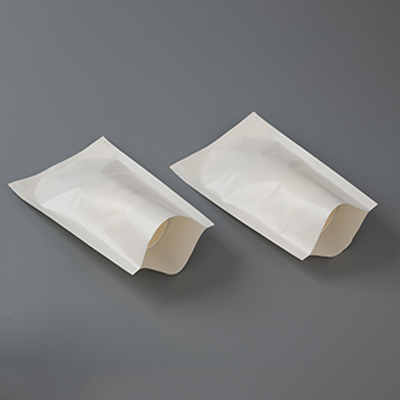
From a performance perspective, sealed paper packaging offers reliable sealing strength suitable for dry goods, powders, and certain food applications. While traditional plastic packaging may still outperform in high-moisture or high-barrier scenarios, advancements in coating technology have significantly improved the moisture and grease resistance of food grade sealed pape materials. This makes them increasingly viable for food contact applications where safety standards are critical.
Another key difference lies in processing methods. Heat sealing paper requires controlled temperature and pressure to activate the sealing layer, whereas traditional packaging often uses adhesives or direct thermal bonding of plastics. This distinction impacts production line compatibility and energy consumption.
In summary, heat sealed paper provides a balanced approach between functionality and environmental considerations. As industries shift toward sustainable practices, sealed paper packaging continues to gain relevance, especially in applications requiring food grade sealed pape solutions with reduced environmental footprint.

is a new material enterprise with innovative coating and coating technology as its core competitiveness, and enjoys a wide reputation in the industry.

Copyright © 2026 Dongguan Ruize Creative Arts New Materials Co., Ltd. All rights reserved.



 English