In the beverage packaging industry, selecting the right paper cup coating material is essential to ensure safety, durability, and compliance with food contact standards. Paper cups are widely used for hot and cold drinks, and the coating layer plays a critical role in preventing leakage while maintaining the integrity of the cup structure. Choosing an appropriate food grade paper cup coating requires a clear understanding of material properties, application scenarios, and regulatory requirements.
One of the most commonly used solutions is PE coating for paper cups. Polyethylene coating forms a thin protective barrier on the inner surface of the paper, effectively preventing liquid penetration. This type of coating is valued for its stability, flexibility, and compatibility with large-scale manufacturing processes. In hot beverage applications, such as coffee or tea, PE coating helps maintain structural strength while minimizing the risk of deformation caused by heat and moisture.
When evaluating paper cup coating material, safety certification should be the primary consideration. Materials must comply with food safety regulations such as FDA or EU standards, ensuring they do not release harmful substances when in contact with beverages. In addition, odor neutrality and taste preservation are important factors, as inferior coatings may affect the flavor profile of drinks.
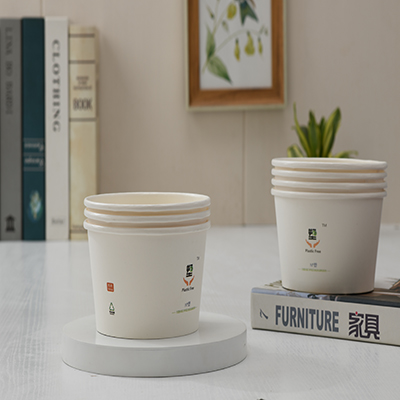
Another key factor is the performance of the food grade paper cup coating under different temperature conditions. Hot drinks require coatings with higher heat resistance, while cold beverages may demand better condensation resistance. The coating must also provide sufficient sealing performance during cup forming and heat sealing processes, ensuring consistent product quality during mass production.
Sustainability has become an increasingly important consideration in recent years. While traditional PE coating for paper cups offers reliable performance, manufacturers are also exploring alternative coating technologies that improve recyclability or reduce environmental impact. However, any alternative must still meet strict food safety and functional requirements before being adopted in commercial applications.
Cost efficiency and processing compatibility should not be overlooked. The selected paper cup coating material must integrate smoothly with existing production lines, including printing, cutting, and forming processes. Consistent coating thickness and adhesion are essential to avoid defects such as delamination or leakage.
In summary, choosing the right food grade paper cup coating involves balancing safety, functionality, and production efficiency. Whether using traditional PE coating for paper cups or newer material solutions, manufacturers should prioritize compliance, performance, and application suitability to ensure reliable beverage packaging in diverse usage scenarios.

is a new material enterprise with innovative coating and coating technology as its core competitiveness, and enjoys a wide reputation in the industry.

Copyright © 2026 Dongguan Ruize Creative Arts New Materials Co., Ltd. All rights reserved.



 English