In the modern packaging industry, sustainability and performance have become two of the most important factors driving material innovation. One of the most widely discussed solutions is aqueous coating paper, also known as aqueous coated paper or water-based coating paper. It is increasingly being used as an alternative to traditional plastic coated paper in Food Packaging, retail packaging, and disposable products.
To understand the difference between these two materials, we need to first define them clearly. water based coated paper uses a water-dispersed coating layer applied on the surface of paper. This coating provides resistance against moisture, grease, and oil while maintaining recyclability. On the other hand, plastic coated paper uses polyethylene (PE) or similar plastic films laminated onto paper to create a barrier layer.
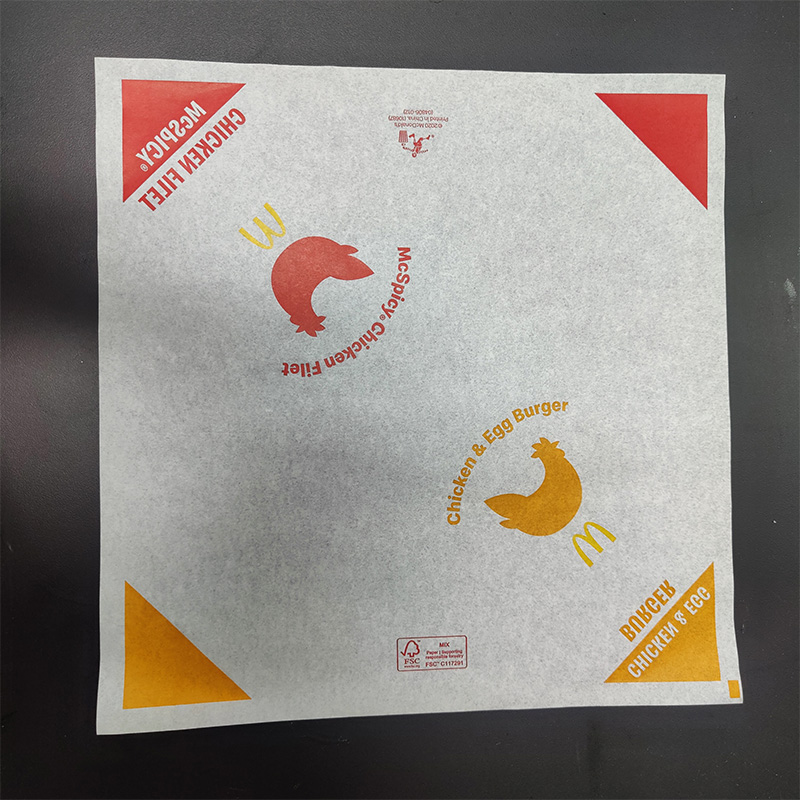
The biggest difference between aqueous coating paper and plastic coated paper lies in the coating composition. In aqueous coating systems, the coating is made from water-based polymers, acrylic emulsions, or biodegradable resins. These materials form a thin, uniform layer on the paper surface after drying.
Plastic coated paper, however, relies on a physical layer of plastic film. This film is not water-based and is typically derived from petroleum-based materials. While it provides strong barrier protection, it significantly reduces recyclability.
One of the main advantages of water-based coating paper is its environmental performance. Since it does not contain plastic film, it is easier to recycle in standard paper recycling systems. Many modern recycling facilities can process aqueous coated paper without separating layers.
In contrast, plastic coated paper requires special processing. The separation of plastic and paper fibers is difficult and energy-consuming. As a result, much of it ends up as landfill waste or incineration.
When comparing performance, plastic coated paper traditionally offers stronger water resistance. However, advancements in water based coated paper technology have significantly improved its barrier performance.
Modern aqueous coating paper can now provide:
Good resistance to water and moisture
Oil and grease resistance for food packaging
Heat resistance for hot food applications
Smooth printing surface for branding
While plastic coating still performs slightly better in extreme conditions, the gap is narrowing as coating technology evolves.
Another important factor is food safety. Water based coated paper is generally considered safer because it avoids harmful plastic migration risks. Many formulations of aqueous coated paper are designed to meet food-contact safety standards, making them ideal for cups, trays, and wrapping materials.
From a cost perspective, plastic coated paper has been widely used due to its mature production system. However, as environmental regulations become stricter, aqueous coating paper is gaining market share.
Industries such as fast food packaging, bakery packaging, and takeout containers are increasingly adopting water-based coating paper due to its balance of performance and sustainability.
The future of packaging materials is clearly moving toward sustainable solutions. Aqueous coated paper represents a key step in replacing plastic-based coatings. With continuous improvements in coating formulation, durability, and barrier performance, it is expected to become a mainstream packaging material globally.
In summary, while plastic coated paper still has strong performance advantages in certain applications, aqueous coating paper is rapidly becoming the preferred choice for eco-conscious industries. It combines functionality with sustainability, making it a strong alternative in modern packaging systems.

is a new material enterprise with innovative coating and coating technology as its core competitiveness, and enjoys a wide reputation in the industry.

Copyright © 2026 Dongguan Ruize Creative Arts New Materials Co., Ltd. All rights reserved.



 English