In recent years, aqueous coating paper has become an important material in sustainable packaging. Also known as aqueous coated paper, water-based coating paper, or water based coated paper, it is widely used in Food Packaging, disposable containers, and eco-friendly packaging solutions.
To fully understand its performance, we need to explore its material composition. The structure of aqueous coating paper is a combination of base paper and a functional water-based coating layer, each playing a different role in the final product.
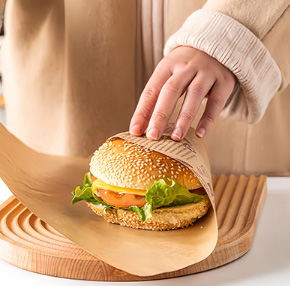
The foundation of water-based coating paper is the base paper. This is typically made from virgin pulp or recycled pulp depending on application requirements. The base paper determines the strength, thickness, and flexibility of the final product.
High-quality aqueous coated paper usually uses food-grade pulp to ensure safety and stability. The fiber structure also affects printability and surface smoothness.
The key innovation in aqueous coating paper lies in its coating system. Unlike plastic films, the coating is made from water-dispersed polymers. These may include:
Acrylic emulsions
Polyurethane dispersions
Biodegradable polymer resins
Water-based barrier additives
This coating forms a thin protective film after drying, creating resistance against moisture, oil, and grease while maintaining paper recyclability.
In many formulations of water based coated paper, functional additives are included to enhance performance. These additives may improve:
Water resistance
Heat resistance
Oil and grease barrier
Surface smoothness
The combination of these additives allows aqueous coated paper to be used in demanding packaging environments such as fast food boxes and beverage cups.
The coating process of aqueous coating paper is based on physical and chemical bonding. When applied, the water evaporates, leaving behind a continuous polymer film that adheres tightly to the paper fibers.
This structure is different from plastic coated paper, where a separate film layer is laminated onto the surface. In water-based coating paper, the coating becomes integrated into the surface layer, improving recyclability.
Because of its unique composition, aqueous coated paper offers several key advantages:
Eco-friendly and recyclable structure
Good printability for branding and packaging design
Strong resistance to water and oil penetration
Food-safe coating formulations
The balance between base paper and coating layer determines the final performance level of the material.
The composition of aqueous coating paper makes it highly suitable for various industries. It is widely used in:
Food packaging containers
Paper cups and lids
Takeaway packaging boxes
Retail wrapping materials
As sustainability requirements increase globally, water based coated paper is becoming a preferred alternative to plastic-laminated materials.
Future improvements in aqueous coated paper composition are focused on enhancing barrier performance while maintaining full recyclability. Researchers are developing advanced bio-based coatings that further reduce environmental impact.
This evolution shows that aqueous coating paper is not just a replacement material but a new generation of sustainable packaging technology.

is a new material enterprise with innovative coating and coating technology as its core competitiveness, and enjoys a wide reputation in the industry.

Copyright © 2026 Dongguan Ruize Creative Arts New Materials Co., Ltd. All rights reserved.



 English