HomeNewsWhat Is The Difference Between Greaseproof Paper And Wax Paper Packaging?
What Is The Difference Between Greaseproof Paper And Wax Paper Packaging?
2026-07-03
What is the difference between Greaseproof Paper and wax paper packaging?
The key difference is that Greaseproof Paper is naturally resistant to oil and moisture due to its dense fiber structure, while wax paper is coated with wax that provides a barrier but can melt or break down under heat. Greaseproof Paper is generally more suitable for direct food contact, baking applications, and sustainable packaging, whereas wax paper is often used for cold food wrapping or non-heat applications. In short, Greaseproof Paper is more durable, heat-stable, and eco-friendly for modern food packaging needs.
Understanding Greaseproof Paper vs Wax Paper
In the food packaging industry, choosing the right wrapping material is essential for maintaining food quality, safety, and presentation. Two commonly compared materials are greaseproof paper and wax paper, but they serve different purposes.
Greaseproof paper is made from refined pulp that is mechanically processed to create a dense sheet that resists oil penetration. It does not rely on any chemical coating in most cases, which makes it a more environmentally friendly option. On the other hand, wax paper is coated with paraffin or soybean wax, giving it a smooth, moisture-resistant surface but limiting its heat resistance.
This difference makes greaseproof paper a preferred choice for modern food packaging applications.
Applications in Modern Packaging
Today, many food businesses rely on greaseproof packaging to improve product presentation and maintain hygiene standards. It is widely used in bakeries, fast food chains, cafes, and takeaway services.
One of the most popular formats is greaseproof kraft paper, which combines durability with a natural, eco-friendly appearance. It is especially favored by brands that want a rustic or organic packaging style while still ensuring oil resistance.
In addition, greaseproof paper for food packaging is commonly used for burgers, sandwiches, fried foods, pastries, and bakery items. Its ability to prevent oil stains helps maintain clean packaging and improves customer experience.
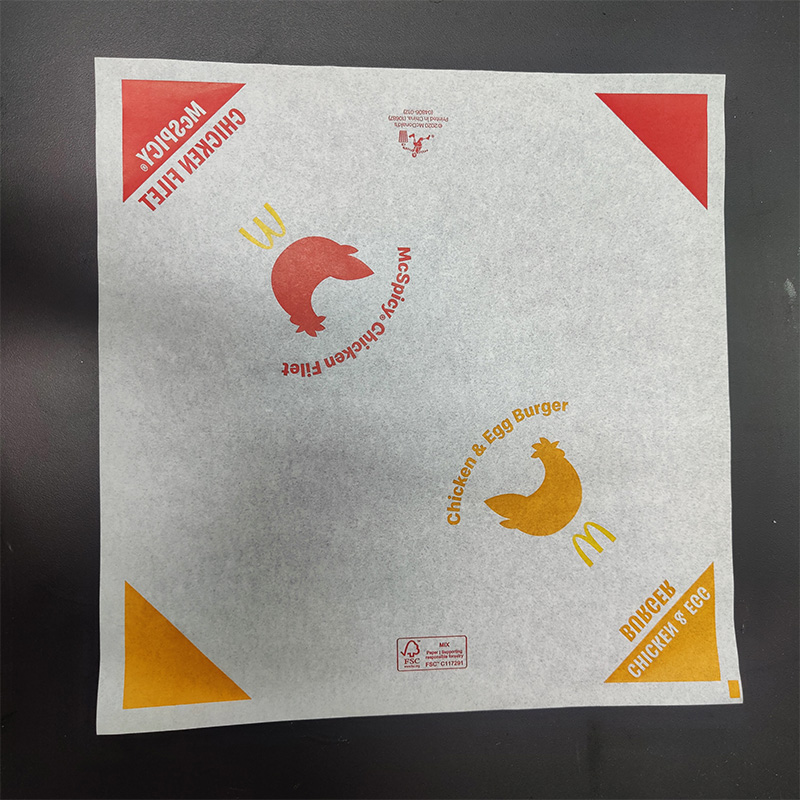
For branding and customization, companies often choose greaseproof packaging paper with printed logos or patterns. This enhances brand visibility while still keeping the packaging functional and food-safe.
Performance and Material Differences
The performance gap between the two materials becomes clear in real-world use.
Greaseproof paper performs better under heat and oil exposure. It does not melt, and it maintains its structure even when used with hot or greasy foods. This makes it ideal for wrapping freshly cooked items directly.
Wax paper, however, may start to soften or melt when exposed to heat. While it works well for wrapping cold foods or lining containers, it is less suitable for high-temperature applications like baking or hot takeaway packaging.
Another important factor is sustainability. Greaseproof paper is often recyclable and biodegradable, especially when uncoated or minimally treated, whereas wax-coated paper can be more difficult to recycle.
Why Businesses Prefer Greaseproof Packaging
From a branding and operational perspective, greaseproof materials offer several advantages:
Strong oil resistance without chemical coatings
Suitable for hot and cold food applications
Eco-friendly and recyclable options available
Easy customization for branding purposes
Better customer experience due to cleaner packaging
Because of these benefits, many food businesses are shifting toward greaseproof solutions as part of their sustainable packaging strategy.
ConclusionWhile both greaseproof paper and wax paper are useful in food wrapping, they serve different roles. Greaseproof paper is the more versatile and modern option, especially for businesses that prioritize durability, heat resistance, and sustainability. Wax paper still has its place in cold food applications, but it cannot match the overall performance of greaseproof alternatives in professional food packaging.
F&Q
What is the purpose of greaseproof paper in food packaging? It is used to prevent oil and grease from leaking through packaging, keeping food fresh, clean, and visually appealing while maintaining hygiene.
What is the difference between baking paper and greaseproof paper? Baking paper (parchment paper) is usually silicone-coated and heat-resistant for oven use, while greaseproof paper mainly resists oil but may not always be suitable for high-temperature baking.
Is parchment paper used for packaging? Yes, parchment paper can be used for food wrapping and packaging, but it is more commonly used in baking due to its heat resistance and non-stick surface.





 English