The best thickness for Greaseproof Paper packaging typically ranges from 30gsm to 60gsm, depending on the food type and packaging purpose. Lighter weights (30–40gsm) are suitable for dry or low-oil foods like sandwiches, while medium to heavier grades (40–60gsm) are better for greasy foods such as burgers and fried items. Choosing the right thickness ensures better oil resistance, durability, and customer experience without unnecessary cost increase.
In food packaging, thickness plays a key role in determining performance. Greaseproof Paper is measured in GSM (grams per square meter), which indicates its density and strength. The higher the GSM, the thicker and more durable the paper becomes.
When selecting materials for greaseproof packaging, businesses must balance cost, functionality, and food type. Too thin, and the paper may absorb oil or tear easily. Too thick, and it may increase packaging costs without adding significant value for certain foods.
Different food applications require different grades of paper:
This range is often used for lightweight food wrapping such as bakery items, pastries, cookies, and dry snacks. It provides basic oil resistance and is cost-effective for high-volume usage.
This is the most commonly used range in Greaseproof Paper for food packaging. It is suitable for sandwiches, wraps, and moderately oily foods. Many cafes and fast-food businesses prefer this balance between strength and flexibility.
This thickness is designed for high-oil foods such as fried chicken, burgers, and takeaway meals. It offers stronger resistance against oil penetration and maintains structural integrity even under heat and moisture.
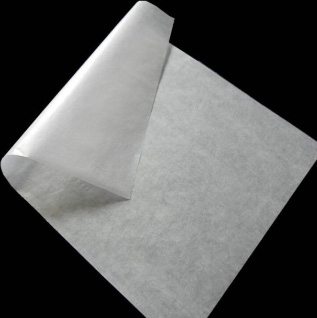
One of the most popular materials in the industry is greaseproof kraft paper. It combines the natural strength of kraft fibers with grease-resistant properties, making it ideal for eco-friendly packaging solutions.
Businesses often choose kraft-based options when they want a rustic, sustainable look without compromising performance. It is widely used in food wrapping, tray liners, and takeaway packaging due to its durability and visual appeal.
Selecting the correct thickness of greaseproof packaging paper directly impacts product quality and brand perception. If the paper is too thin, oil stains may leak through, affecting customer satisfaction. If it is too thick, it may reduce flexibility and increase packaging costs unnecessarily.
For food businesses, consistency is also important. Using the right GSM ensures that every product is presented in a clean, professional, and reliable way.
When selecting materials for greaseproof paper for food packaging, businesses should consider:
Type of food (dry, moist, or oily)
Serving temperature (hot or cold)
Packaging format (wrap, bag, liner)
Branding and printing requirements
Sustainability goals
For example, a bakery may use 35gsm paper for pastries, while a fried chicken brand may require 55gsm or higher for better oil resistance.
Modern consumers increasingly prefer eco-friendly packaging. Greaseproof materials, especially kraft-based options, are seen as a sustainable alternative to plastic-based wraps. Many brands now use recyclable and biodegradable materials as part of their green packaging strategy.
As a result, greaseproof packaging paper is becoming a standard choice in global food service industries, combining performance with environmental responsibility.
The best thickness for greaseproof paper packaging depends on the food type and application, but the most common range is 30–60gsm. Lighter grades work for dry foods, while heavier grades are essential for oily and hot foods. By selecting the right material, businesses can ensure better food protection, cost efficiency, and improved customer satisfaction.
What is the purpose of greaseproof paper in food packaging?
It is used to prevent oil and grease from leaking through packaging, keeping food clean, fresh, and visually appealing.
What is the difference between baking paper and greaseproof paper?
Baking paper (parchment paper) is silicone-coated and designed for oven use, while greaseproof paper mainly resists oil and is commonly used for wrapping and packaging.
Is parchment paper used for packaging?
Yes, parchment paper can be used for food packaging, but it is more commonly used for baking due to its heat resistance and non-stick properties.

is a new material enterprise with innovative coating and coating technology as its core competitiveness, and enjoys a wide reputation in the industry.

Copyright © 2026 Dongguan Ruize Creative Arts New Materials Co., Ltd. All rights reserved.



 English