Bakery packaging paper is a type of Packaging Paper designed specifically for wrapping, protecting, and presenting baked goods such as bread, pastries, cookies, cakes, and sandwiches. It helps maintain freshness, prevents grease from leaking, and improves product presentation during storage, transportation, and retail display. Depending on the application, bakery packaging paper may be made from Kraft Paper, Greaseproof Paper, parchment paper, or other food-grade materials, making it an essential part of modern Paper Packaging solutions for bakeries and food businesses.
Bakery products are often delicate and can easily lose their freshness if they are not packaged properly. Bakery packaging paper creates a protective barrier between the food and the outside environment, helping reduce exposure to dust, moisture, and grease while maintaining product quality.
Besides protecting food, packaging paper also improves the overall customer experience. A neatly wrapped loaf of bread or beautifully packaged pastry creates a professional appearance and increases the perceived value of the product. For bakeries, cafés, supermarkets, and food manufacturers, quality packaging is just as important as the product itself.
As consumers become more environmentally conscious, paper-based packaging has become a preferred alternative to many plastic materials. Many bakeries now choose recyclable or biodegradable packaging options to support sustainable business practices.
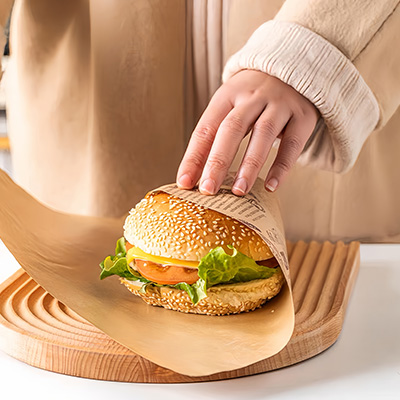
Different bakery products require different types of packaging paper. Selecting the right material depends on the product's ingredients, moisture level, grease content, and storage conditions.
Kraft Paper is one of the most popular materials used in bakery packaging. It is durable, breathable, and has a natural appearance that fits both traditional and modern bakery brands. Kraft paper is commonly used for bread bags, pastry wraps, cookie packaging, and takeaway bakery products.
Greaseproof Paper is designed to resist oil and butter, making it suitable for croissants, donuts, muffins, cookies, and other baked goods with a high fat content. It keeps the packaging clean while preventing grease stains from affecting product presentation.
Parchment paper is frequently used during baking as well as for wrapping baked goods. It provides excellent heat resistance and prevents food from sticking, making it suitable for both commercial bakeries and home baking.
Coated food paper offers additional resistance to moisture and grease. It is often selected for premium bakery products or foods that require longer shelf life and better protection during transportation.
First, it protects baked goods from contamination and helps maintain freshness throughout transportation and storage. This makes it an effective form of Protective Packaging for products that need to remain attractive until they reach customers.
Another advantage is sustainability. Many manufacturers now provide Eco Packaging solutions made from renewable fibers or recyclable materials. These environmentally friendly options help businesses reduce packaging waste while meeting growing consumer demand for sustainable packaging.
The type of bakery product is one of the most important considerations. Bread often benefits from breathable Wrapping Paper that helps preserve its texture, while pastries with cream or butter usually require grease-resistant paper to prevent leakage.
Businesses should also evaluate storage conditions. Products transported over long distances may require stronger paper with better moisture resistance, while freshly baked items sold locally may only need lightweight wrapping paper.
Food safety compliance is equally important. Packaging paper should be manufactured using food-grade materials suitable for direct contact with baked goods. Working with experienced suppliers helps ensure consistent product quality and compliance with Food Packaging regulations.
It is commonly used for artisan bread, sandwich wraps, cakes, pastries, cookies, muffins, croissants, donuts, pizza slices, and takeaway bakery products. Cafés, bakeries, supermarkets, convenience stores, hotels, restaurants, and food manufacturers all rely on bakery packaging paper to protect and display their products.
In addition to wrapping individual items, bakery paper is also used as tray liners, basket liners, separator sheets, and decorative food presentation paper. These applications improve hygiene while enhancing the visual appeal of baked goods.
Many businesses choose Custom Packaging to strengthen their brand identity. Custom printed bakery paper can include company logos, product information, promotional messages, or seasonal designs that create a more memorable customer experience.
Printed packaging also serves as an effective marketing tool. Every wrapped product becomes an opportunity to increase brand visibility and encourage repeat purchases. Whether customers buy products in-store or receive them through delivery services, branded bakery paper helps create a professional and consistent image.
Custom sizes, paper weights, printing colors, and surface finishes allow bakeries to select packaging solutions that match both their products and their brand positioning.
Bakery packaging paper is an essential component of modern food packaging. It protects baked goods, preserves freshness, improves presentation, and supports efficient transportation. Whether a business chooses durable Packaging Paper, natural Kraft Paper, functional Wrapping Paper, sustainable Paper Packaging, reliable Protective Packaging, environmentally responsible Eco Packaging, or professionally designed Custom Packaging, selecting the right bakery packaging paper helps deliver quality products while enhancing the customer experience. As sustainability and food safety continue to shape the packaging industry, bakery packaging paper will remain an important solution for bakeries and food manufacturers around the world.

is a new material enterprise with innovative coating and coating technology as its core competitiveness, and enjoys a wide reputation in the industry.

Copyright © 2026 Dongguan Ruize Creative Arts New Materials Co., Ltd. All rights reserved.



 English