Packaging paper plays a critical role in modern logistics, retail, and food packaging systems. It is not just a protective material—it directly influences product safety, shipping efficiency, brand presentation, and customer experience.
With the growth of global e-commerce and sustainable packaging demand, businesses are increasingly replacing plastic-based materials with recyclable and functional packaging paper solutions.
This guide provides a complete overview of packaging paper types, applications, technical properties, and selection strategies based on real industry usage.
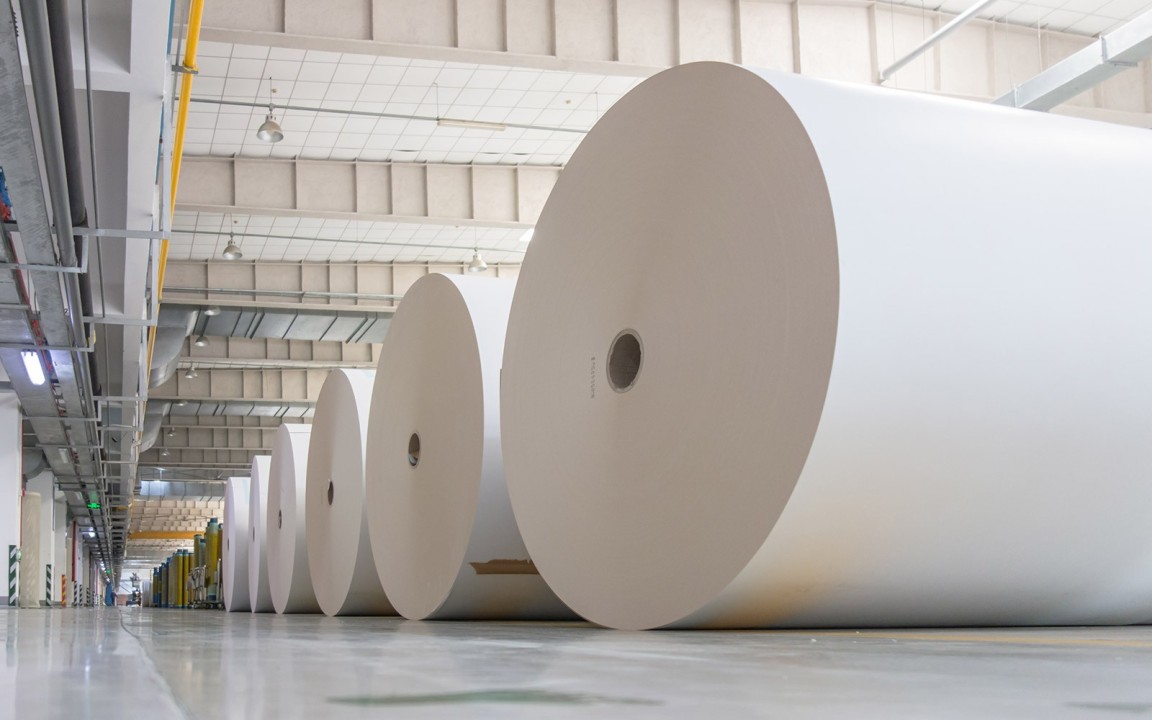
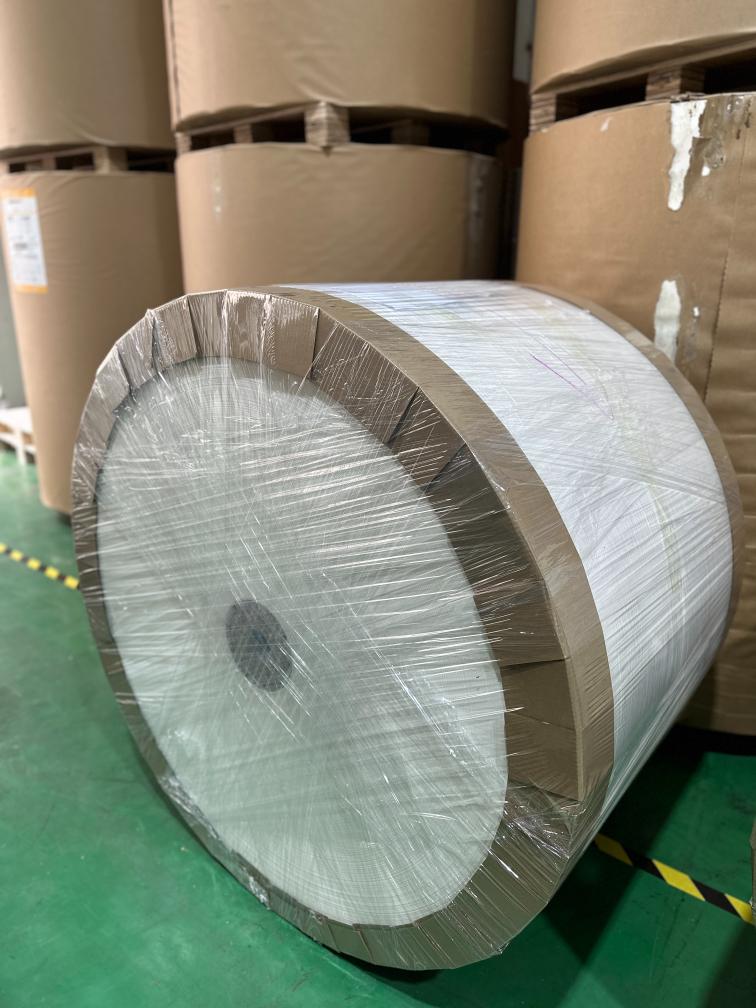
---Packaging paper refers to a broad category of paper-based materials used for wrapping, protecting, separating, or presenting products during storage, transportation, and retail display.
Unlike standard paper, packaging paper is engineered for higher mechanical strength, better moisture resistance, improved surface performance, and industry-specific functionality.
---Kraft paper is the most widely used packaging paper in global logistics.
Key characteristics:
• High tensile strength due to long wood fibers
• Excellent tear resistance
• Fully recyclable and eco-friendly
• Cost-effective for bulk shipping
Typical GSM range: 60gsm – 200gsm depending on application
Applications: e-commerce packaging, industrial wrapping, export cartons, void filling
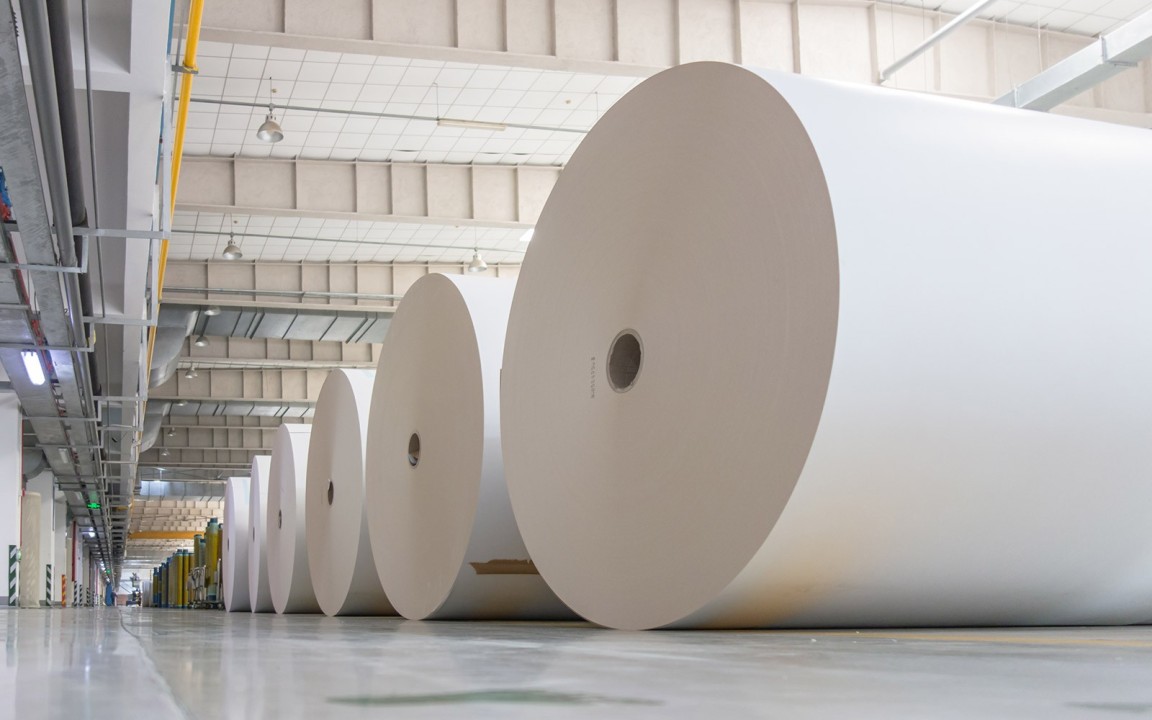
Coated packaging paper is treated with a surface coating layer such as clay or polymer.
Advantages:
• High-resolution printing
• Smooth surface finish
• Moisture resistance
• Strong branding presentation
Applications: cosmetic boxes, electronics packaging, retail packaging
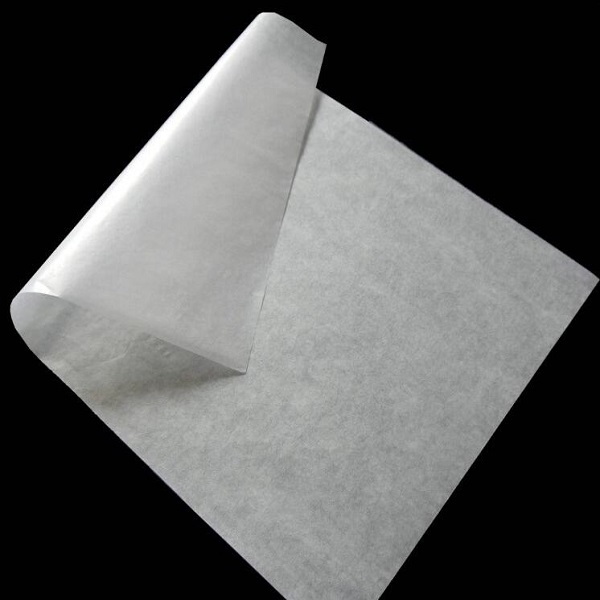
---Greaseproof Paper is designed to resist oil and grease penetration.
Features:
• Oil-resistant barrier
• Food-grade safe
• Heat resistance
• Smooth wrapping surface
Variants: Coloured Greaseproof Paper, Custom Printed Greaseproof Paper
Applications: fast food, bakery, takeaway packaging
---Thermal paper rolls are essential for logistics and warehouse operations.
Key features:
• Ink-free printing
• Barcode compatibility
• Fast printing speed
• Clear print quality
Applications: shipping labels, warehouse tracking, POS systems
---Step 1: Identify product sensitivity (fragile / food / retail)
Step 2: Consider shipping environment (humidity, distance)
Step 3: Define branding needs (basic vs premium)
Step 4: Ensure logistics compatibility (barcode system)
---Modern packaging systems combine multiple materials:
Inner layer → Greaseproof paper (food safety)
Middle layer → Kraft paper (shock protection)
Outer layer → Coated packaging paper (branding)
Logistics layer → Thermal paper (tracking system)
Industrial: machinery wrapping, export packaging
Retail: gift packaging, product wrapping
Food: bakery, fast food packaging
Logistics: barcode labeling, tracking system
---Packaging paper is increasingly replacing plastic materials due to recyclability and environmental regulations.
Key benefits include reduced carbon footprint, recyclable materials, and compliance with global sustainability standards.
---Modern packaging systems use multiple materials:
Kraft paper → strength
Coated paper → branding
Greaseproof paper → food safety
Thermal paper → logistics efficiency
This creates a complete packaging ecosystem from warehouse to end customer.
---Packaging paper is a fundamental material in global supply chains, covering protection, branding, food safety, and logistics functions.
The most effective strategy is combining different types based on application needs rather than using a single material.

is a new material enterprise with innovative coating and coating technology as its core competitiveness, and enjoys a wide reputation in the industry.

Copyright © 2026 Dongguan Ruize Creative Arts New Materials Co., Ltd. All rights reserved.



 English